Garmin Release New Forerunner Range

The worst kept secret of 2019 has finally been confirmed. Garmin will be releasing new additions to their forerunner range in May 2019 and it will literally be music to your ears.

After successfully adding music capabilities to the Forerunner 645, Garmin are expanding the models that can store and play music. This will finally allow more of us to ditch the phone when out running. As well as music, there is enhanced functionality which will increase training options, so if you are someone who loves to analyse data points, you may want to check out the new offerings.

Technically, there are five new watches across three different Forerunner models which include:

  • Forerunner 945
  • Forerunner 245
  • Forerunner 245 Music
  • Forerunner 45
  • Forerunner 45s

The new Garmin range can be found on Amazon

Forerunner 945

The headline upgrade is the Forerunner 945 which has taken the best bits of the Fenix and previous 935 and offered it in a sleeker package.  The 945 has long been seen as a very capable multi-sport watch but Garmin has increased its functionality with the addition of a pulse oximeter to measure oxygen absorption, Garmin Pay for contactless purchases, and full-colour maps for navigating while out running.

Another major addition is the ability to store up to 1,000 songs locally (from Spotify or Deezer), and there’s a new tool for analysing past workout history to improve future training.   Garmin states the 945 will have up to two weeks of battery life in smartwatch mode, 36 hours in GPS mode, and 10 hours with both GPS and music active.

The Garmin Forerunner 945 will set you back £519.99 and with the Tri bundle (with swim-friendly heart rate monitors) will be £649.99.

Forerunner 245 and 245 Music

For those not that interested in a multi-sport device and not wanting to re-mortgage their house to upgrade, the mid-range Garmin Forerunner 245 and Forerunner 245 Music are definitely worth a look. You won’t get the mapping capabilities of the 945, nor will it support ANT+ power meters, but let’s be honest here, if you are buying the Forerunner range you are likely to use it for running, and occasionally other sports like cycling.

The 245 uses the more advanced user interface from Garmin, which means the wrist-based heart rate monitor can track the oxygen levels in your blood, daily stress levels, sleep and give you feedback on how hard you’re training – taking environment temperature into consideration.

For £50 extra, you can get the music version of the 245, giving you the ability to store up to 500 songs offline, via Bluetooth. The battery life will give you 6 to 7 hours using GPS and music and 24 hours with just GPS from a single charge. The 245 will set you back £249 and the music version £299.

Forerunner 45

If you’re not bothered about enhanced monitoring functionality and the ability to store and play music via your device, then the Forerunner 45 is designed for those who want things simple. The 45 is the simplest and least expensive watch in the range but it still has plenty of bells and whistles. It may not have a fancy monitor like the 945 and 245 but it does offer all-day stress monitoring and the new Body Battery feature. This supposedly allows an understanding of how exercise can affect your daily productivity. The jury is out on this…..

Although primarily aimed at runners, it does have similar features found on fitness trackers and allows you to track a number of sports/activities including yoga, cycling and strength training.

Garmin have also released the Forerunner 45s which is smaller and designed for the smaller wrist. The 45 and the 45s cost from £169.99

The new Garmin range can be found on Amazon
What are Turbo Trainers and Smart Turbo Trainers?

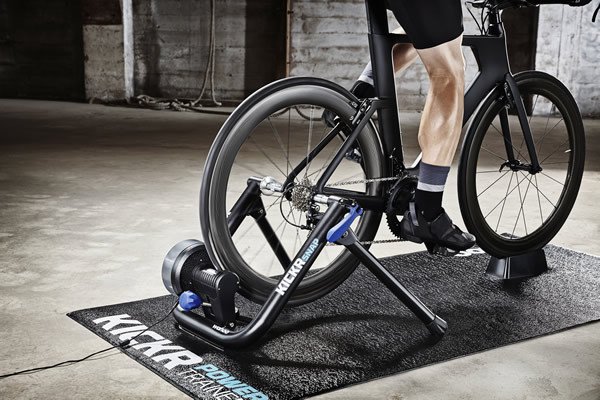
If you are new to triathlon or cycling you may not be familiar with turbo trainers and their different types. A turbo trainer is basically a stationary cycle trainer where you attach your rear wheel to the device, which then replicates the resistance giving the feel of riding outdoors in the comfort of being indoors.

A turbo trainer will give you the opportunity to train throughout the winter months when the days are shorter and weather conditions can be horrid. Using a turbo trainer is great for the time pressured triathlete, focusing on short effective sessions rather than riding for hours outdoors. A structured turbo session can be as beneficial as speedwork or hills rep are to a runner because of the focus it offers to your training.

Smart turbo trainers have the ability to hook up to computers and smart phones helping you get more from your workout. Using online training platforms, like Zwift for example, it will allow you to ride and train with others in a virtual environment. A smart turbo can come in many forms but some have a direct drive design (built in rear cog to attach your chain to), with a built in power meter and variable resistance, allowing fully immersive training.

What are the different types of smart turbo trainers?

Magnetic trainers are the most basic of all the Turbo trainers which use magnetic resistance to imitate the feel of the being outdoors on the road. These are generally the cheapest due to their simplicity but there are smart versions to consider. Usually supplied with a resistance changer, their smart capabilities aren’t as varied as other and can’t be programmed to mimic a certain gradient or power resistance.

Fluid trainers are a step up from the magnetic trainers, can be much quieter and have a progressive resistance build up, meaning the faster you go the harder it is to ride. These are where the majority of affordable smart trainers are.

Direct drive trainers require the removal of your rear wheel and attaching the bike directly to the drive train hence the name. You may be familiar with some of the larger brands of direct drive trainers like Wahoo and Tacx. These are usually motorised and need mains power to work, but they can be programmed to offer a variety of smart capabilities. By forgoing the need for the rear wheel they also mean you don’t have to buy new tyres as regularly as you would with any of the other trainers.


A variety of popular of Turbo Trainers can be purchased on amazon

Popular brands include Wahoo, Tacx and Elite

Benefits of Yoga for Triathletes

Followers of Life of Tri will know that we are big advocates of increasing flexibility as an additional discipline to swim bike run. Normally triathletes will tell us that they warm up and cool down after training, but is this really enough? Adding dedicated flexibility sessions to an already pack schedule can be difficult but we would highly recommend triathletes try and fit it in.

One way to achieve this is to practice yoga which has the benefit of either being done at home or through a class. Yoga compliments triathlon training by offering support that will build strength and endurance, while increasing efficiency and economy of movement at the same time. Then there is the benefit to supporting the mental side of training, allowing an opportunity to release tension or reflect on your goals. Practicing yoga on regular basis teaches patience, breath control and allows athletes to develop an awareness of their body. This teaches athletes to be more in-tune with your body which can help spot early signs of potential injuries and identify when rest is needed.

If struggling with time, yoga can be practising at home with a few items, including a yoga mat and yoga block. The rewards of incorporating a simple yoga sequence into your schedule are well worth the effort and only needs to take 10 to 20 minutes a few times a week (depending on your time commitments).

A vast library of videos can be found on line but here is a basic session for those new to yoga.

Good Luck


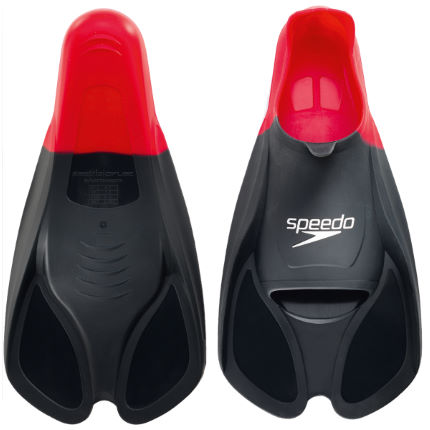
Review: Speedo Biofuse Training Fins

The Speedo Biofuse training fins have been around for a number of years but thought it was a timely opportunity to review them since I have recently needed a new set of training fins.

I have used quite a few different makes/models of fins over the years but first impressions of the Biofuse fins are very positive.  Their name derives from the inclusion of both soft and hard silicones into one set of fins.  Because of this, the fins have an excellent fit with no need for adjustment since they come in different sizes relating to your normal shoe size.

Use of hard silicone in the design does mean that the fins are heavier than expected but this does not detract from the performance.  The softer silicone part adds a level of comfort so they should not rub.

Speedo have designed the fins to maximise athlete’s leg strength and kicking speed, and because the stiff blade is shorter than normal it allows the athlete to perform quick short kicks.  The fins have only been reviewed using full crawl but they were found to deliver enhanced propulsion compared to other tested.  It must be noted that fins are only as effective as the effort used in conjunction with the right technique.

Verdict: For the standard weekend triathlete the Speedo Biofuse fins offer excellent value for money (circa £25).  As a compact fin they will be a great addition to any kit bag, allowing options for different techniques.  There are better fins out there using rubber which increases the comfort level even more, but you will pay more for this.

Triathlon Distances Explained

If new to triathlon it can be a daunting world with terminology that is often alien to those with limited experience to the sport.  At Life Of Tri we aim to break down those barriers to the sport, providing simple information to what Triathlon is, and why we love it so much.

One area that we often receive questions about is the different distances which athletes race over and their varying names.  Traditionally triathlon had completed over 4 distances (which can have some degree variation depending on course make up) but in recent years a shorter distance called super sprint (or try a tri) has been established, especially for those new to the sport.

The 5 most popular adult race distances are

  • Super sprint/try a tri: 400m (swim), 10km (bike), 2.5km (run)
  • Sprint: 750m (swim), 20km (bike), 5km (run)
  • Standard/Olympic: 1500m (swim), 40km (bike), 10km (run)
  • 70.3/middle/half-Ironman: 1.9km (swim), 90km (bike), 21km (run)
  • 140.3/full/Ironman: 3.8km (swim), 180km (bike), 42km (run)

As a rough rule of thumb the distances of each race are roughly doubled up from the previous distance (with variation) which gives you handy way of remembering them.


Review: Roka F1 Goggles

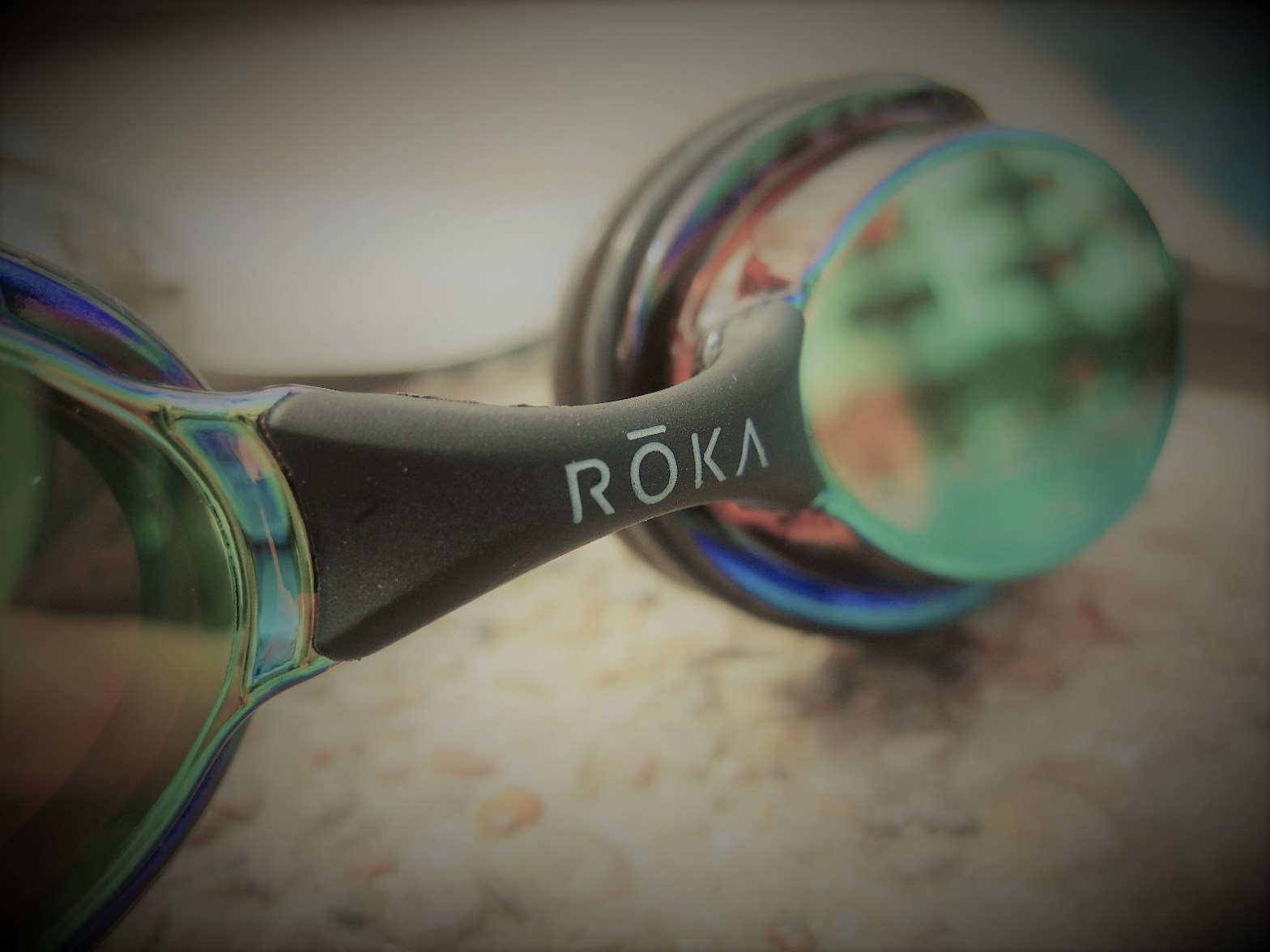
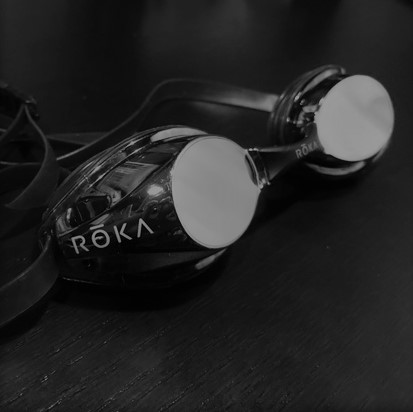
Life of Tri recently tested some new goggles in the Roka F1 and we will admit that we were impressed that they offered so much for a reasonable price (circa £20).  The Roka range is quite extensive with four different styles and a huge 10 tints to choose from.

roka f1.jpg

We tested the smallest in the range which is the F1 and has removable nose bridges and come in different sizes.  The goggles sit comfortably in the eye socket with no leaking on testing, plus the straps were secure and easy to adjust.  The Roka F1 was tested in indoor and outdoor conditions with the darker amber tint chosen to protect against the sun.  The tint was a little too dark for indoor use but was excellent when used outdoors.  The tint allowed for easy identification of markers when lake swimming, and protected the eyes when turning to breath in low sun.

Verdict: An excellent pair of goggles for both outdoors and the pool (with the right tint), at an affordable price.   9/10

Available at Amazon – https://amzn.to/2OzaPep

Ironman Kona Equipment List 2018

Ever wondered what the pros and age groupers use when competing at the top races?

Well, all equipment used by the athletes at the 2018 Ironman World Championship in Kona has been compiled.  The list provides an interesting insight into the preferences amongst triathletes competing in endurance.

Cervélo tops the bike list (and has for a number of years) but other manufacturers are catching up with increased options.  Pinarello have recently introduced a new triathlon bike which Cameron Wurf rode at Kona this year, and was a firm favourite at Life Of Tri HQ.  It is a stunner.

Zip are by far the wheel manufacturer of choice but like Cervélo grip on the bike market, their dominant has decreased slightly this year.

 The full list of each brand present at Kona is as follows:

Bikes (number athletes using the brand)
Cervelo – 487
Trek – 256
Specialized – 189
Felt – 185
Canyon – 130
Argon 18 – 118
Scott – 110
BMC – 108
QR – 97
Giant – 92
Ceepo – 70
Cannondale – 60
Ventum – 49
Dimond – 43
Cube – 29
Orbea – 27
Wilier – 18
Fuji – 18
Kuota – 16
Merida – 14
BH – 11
Airsteem – 11
Stevens – 11
Look – 10
Planet X – 8
Guru – 8
Focus – 8
Pinarello – 7
Parlee – 7
Kestrel – 7
Ridley – 6
Diamondback, Blue, Storck, Simplon, Boardmann – 5
Garneau – 4
Swift, Jamis, Avanti – 3
Litespeed, Colnago, Cipollini, Premier, Squad, Neil Pryde, Boma, Avenger – 2
Merkcz, Beyond, Wizz – 1

Wheels
Zipp – 1,609
Enve – 385
Other – 260
HED – 260
Reynolds – 225
Bontrager – 213
Mavic – 210
Roval – 162
DT Swiss – 124
Profile – 90
Vision – 85
Shimano – 80
Swiss Side – 69
Giant – 69
FLO – 63
Campagnolo – 58
Xentis – 55
Corima – 54
FFWD – 49
Lightweight – 47
Token – 35
Felt – 26
Easton – 24
Knight – 23
Rolf – 19
Planet X – 14
EDCO – 14
Oval – 14
Boyd – 12
SRAM – 10
Airstreeem, Alto, Rebel – 6
Syncross – 5
Williams, Vittoria, Flash Point – 4
Ritchey, American Classic, FSA – 2
Unbranded alloy – 239

Components
Shimano – 1,942 (1,255 Shimano groupsets were Di2)
SRAM – 428 (274 SRAM groupsets were e-Tap)
Campagnolo – 18
FSA – 4

Pedals
Shimano – 740
Look – 551
Garmin – 418
Speedplay – 306
Time – 77
PowerTap – 50
Other – 120

Power Meters
Garmin – 383
Quarq – 345
Power2Max – 181
PowerTap – 156
Stages – 126
Rotor – 101
SRM – 93
Pioneer – 78
Shimano – 25
Prw – 24
4iii – 17
Infocrank – 7
Team Watt – 1

Helmets
Rudy Project – 444
Giro – 397
Specialized – 290
Kask – 139
Casco – 94
LG – 88
Bontrager – 88
Lazer – 57
Oakley – 52
Met – 50
Scott – 45
POC – 43
Ekoi – 31
Smith – 30
Kabuto – 29
Other – 29
Bell – 27
Uvex – 22
Spiuk – 17
Catlike – 14
Abus – 7
Giant, Carnac, Ceepo – 6
LAS, Limar – 5
Bolle, LIV, Mavic, Cratoni – 3
Suomy, Alpina, Salice – 2
BBB, Briko, Erox – 1

Saddles
ISM – 827
Fi’zi:k – 343
Specialized – 339
Cobb – 211
Bontrager – 148
Prologo – 124
Selle Italia – 92
Other – 73
Shimano PRO – 47
Dash – 44
SMP – 33
Profile – 28
Selle San Marco – 25
Syncros – 14
Fabric – 13
Fabric – 12
SQ Lab – 7
Koobi, Velo, Oval, Ergon – 3
Forte, Planet X, Felt, Time – 2
Ritchey, Token, Serfas, Brooks, Oxygen, Garneau, Bell – 1

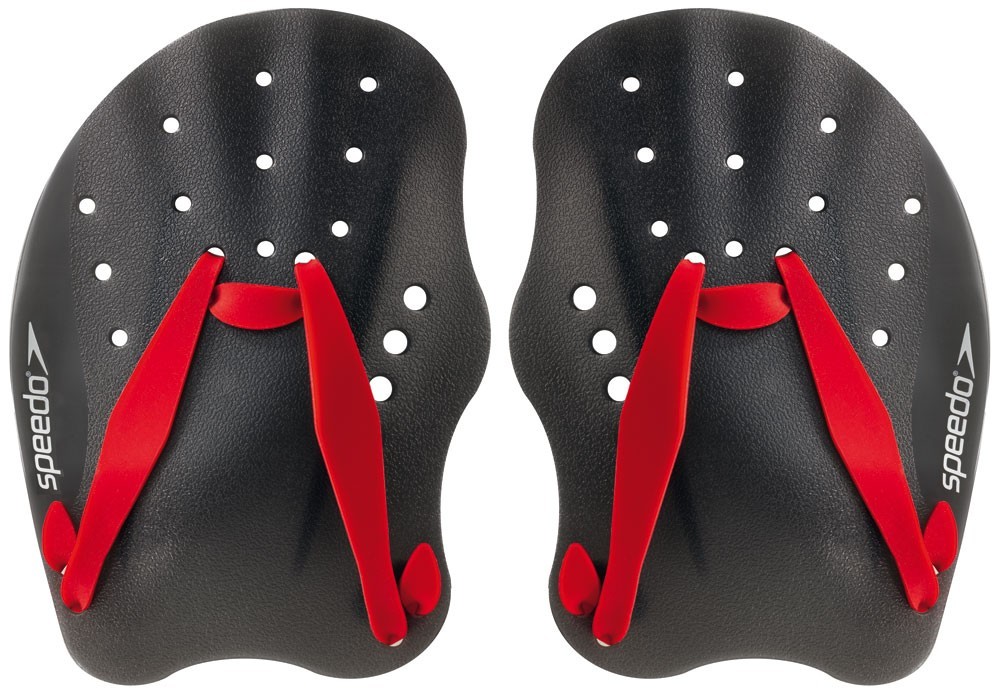
Triathlete’s Guide to Swim Paddles

Swimming Paddles available on Amazon

Swimming aids can be a valuable asset in any triathlete’s/swimmer’s arsenal, helping you increase efficiency, ensure correct swim mechanics, and improve overall strength and technique.  One of the most popular aids used is the swimming paddle, however, it is also one of the most misunderstood.

Correct use of swimming paddles should allow the athlete to swim longer (in terms of distance per stroke) whilst also increasing their pace.  By incorporating paddles into your training you should build power and strength in the water, whilst instilling good technique habits.  Paddles will accentuate everything about the pulling motion, which will highlight the areas that aren’t working.

For those long, monotonous repeats training sessions, using paddles is an effective method to mixing things up and keeping you fresh mentally.  However, paddles must be used correctly and any form of shoulder injury can be exacerbated by larger paddles.  Just as paddles encourage good habits; it is also far too easy to develop bad ones when using them.  These can include spreading the fingers and a slow pull.

If you have weak shoulders over-sized paddles can put strain on ligaments and tendons in your arms. Think of paddles like weight training: bad, shaky form has the potential for increased injury risk.

Swimming paddles can be incorporated into some of your existing training drills, or you can undertake specific paddle drills.  Below is a very basic session using paddles, but there are plenty more example on the internet.

There are a number of different paddles available, which can be found here

Basic Paddle Drill
Warm-up:            250m swim (easy pace)

Main Set:             1×50m with paddles (medium pace)
1×50m without paddles (medium pace)
Repeat x8

4×100 pull with pull buoy and paddles (medium pace)
4×50 swim without pull buoy and paddles (medium pace)

Cool-down:         200 easy swimming

Winter Swimming Technique

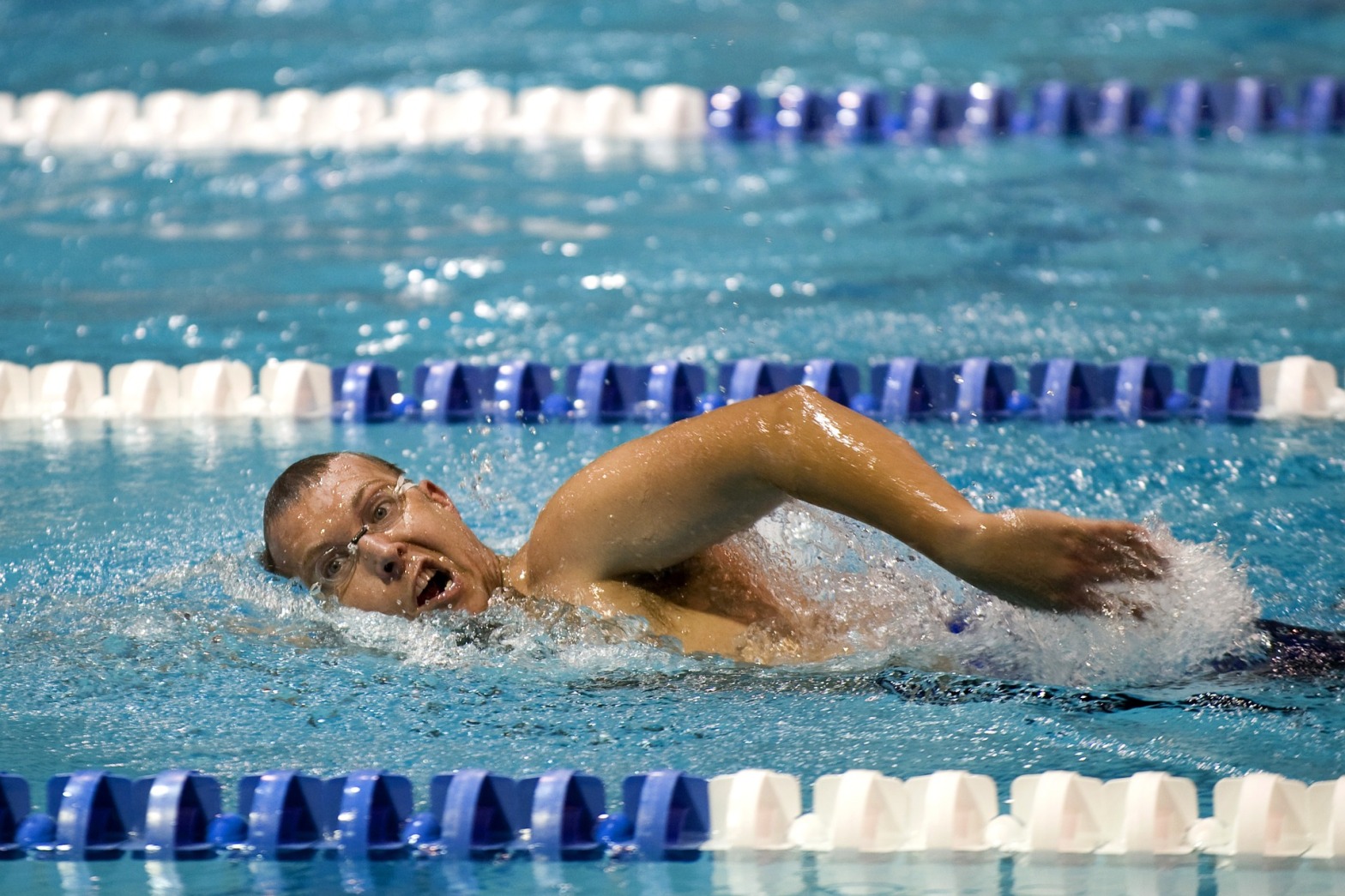
Swimming in the colder months may not be the most enjoyable, but the winter is a very important time for making improvements to your swimming performance.

During race season it is often difficult to focus on improving your technique stroke while you’re also working on building endurance, which is why the off season is prefect to tackle your faults.  Off season training allows you to decrease the intensity of your training and focus on technique.

For triathlon, the more efficient you are in the water, the less energy you’ll expend, leaving more energy for the bike and the run. It is a simple formula!   The winter is the perfect time to work on adaptations to technique because they’ll be fully engrained when pre-season training begins and it’s time to focus on developing speed/endurance.

The 3 session drills listed below are staple winter drills that should be undertaken by swimmers of all levels:

Count your strokes: This drill will allow you to work on increasing the distance covered per stroke.  This will improve your strength and stroke efficiency. Take as few strokes as possible from wall to wall and try to elongate each one. If you are at 30 strokes or above for 25 meters, try decreasing your stroke count by one or two each week. Decreased stroke count means increased efficiency, but be mindful of whether it is slowing you down.  In theory a stroke count of 20 is far more efficient than a stroke count of 30.

Golf drill: An enjoyable drill focusing on stroke count and speed. Count the number of strokes you take over 50 meters and add that number to your 50-meter split time. Now, as in golf, try to decrease your score by either swimming faster or taking fewer strokes.

Breathing Rotation: Be warned this can be a difficult drill, but when persevered is really effective for emphasizing proper rotation and breathing technique. Place and hold the ball under your chin while looking at the pool floor.  This will emphasise the correct head positioning, particularly in the breathing phase of the stroke.  The correct position stops the legs dropping, which creates drag and a slower swim split. Also, swimmers who over rotate on breathing, slow down the stroke and increasing the risk of drag.

Safe Winter Riding

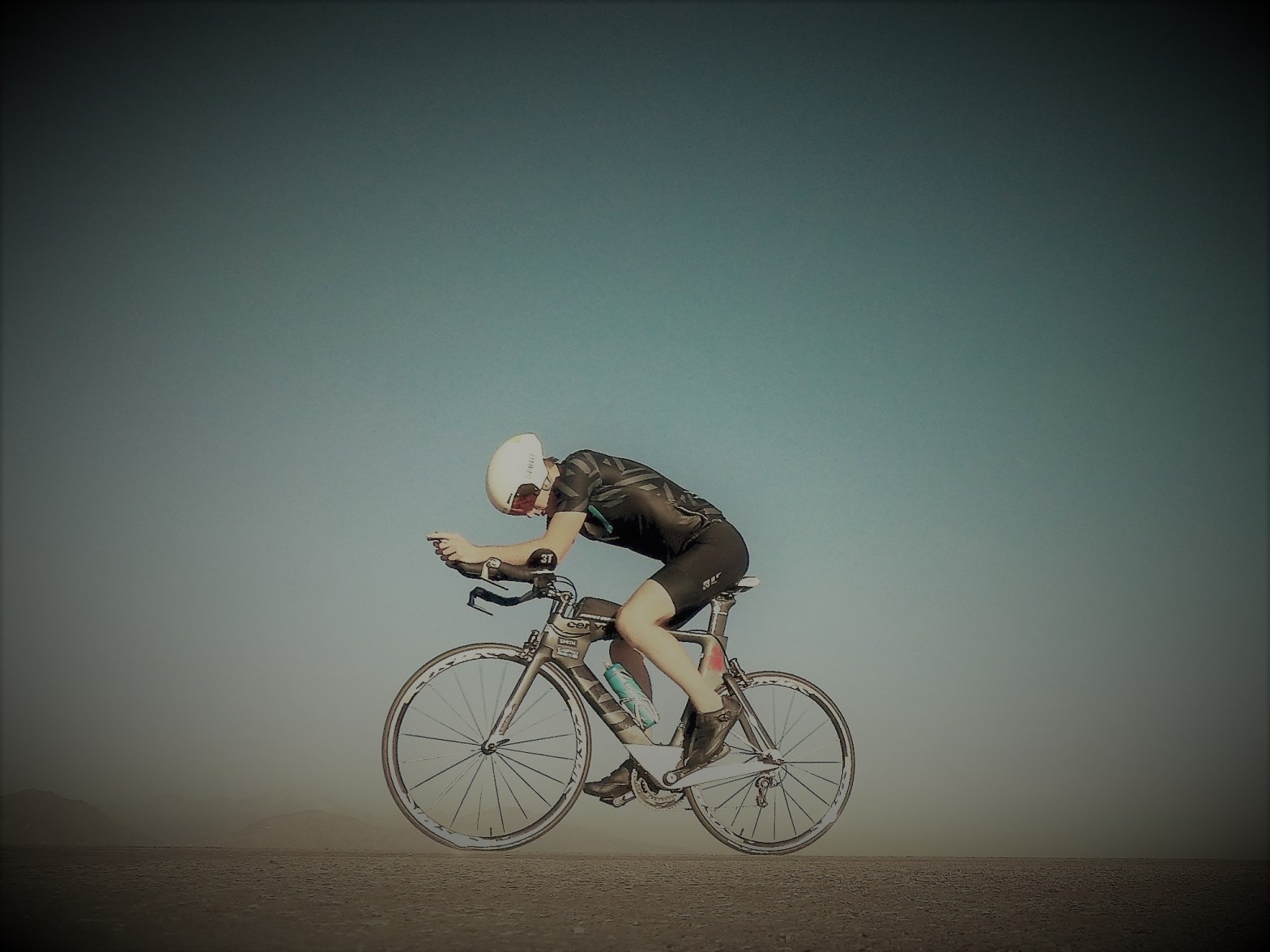
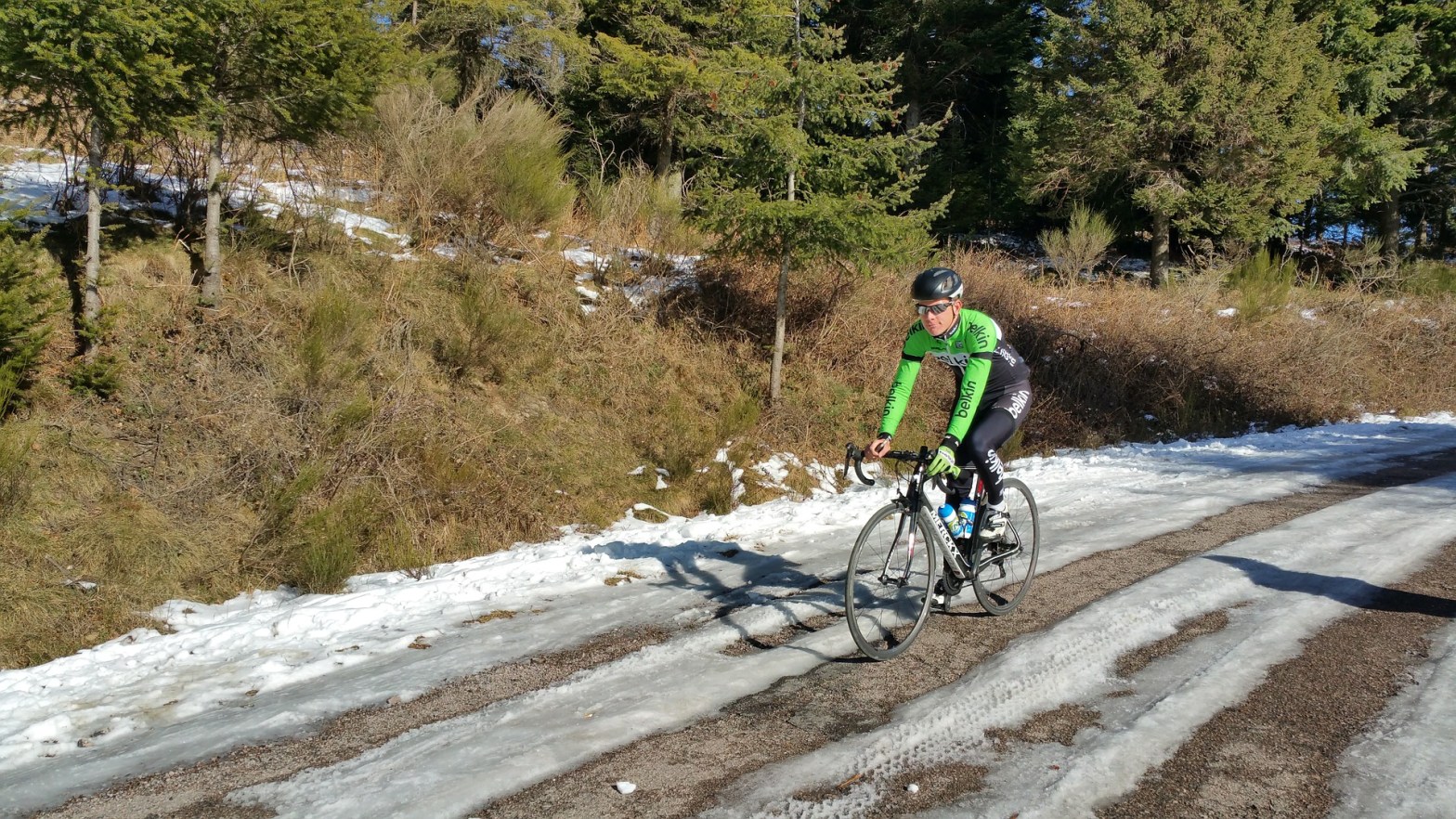
The recent cold snap is the perfect time to remind yourself of how to stay safe on the road when cycling in winter conditions.  Ensuring you are using the right kit, you’re warm enough and have enough water and food with you is vital to getting you home in one piece.

While you can’t do much about the weather, Life of Tri offers you 5 tips you should be considering before you head out.

  1. Prep your bike

Making sure your bike is ready for winter conditions is critical to a safe ride.  Like preparing your body for exercise, it is important your bike is in the best condition before you set out, including all the relevant equipment.  The day light is drawn in so dark mornings and evenings become the norm, ensure you have lights and they have enough battery life for your journey. Even in daytime, fog can make you invisible without them.

Inclement weather, including wet, icy or gritty road surfaces are all hazards that can be minimised by having the correct set up on your bike.  Winter tyres and mudguards are a must.  Winter is not a time for lightweight racing tyres; you will need grip and puncture resistance properties.

Try to think from a driver’s perspective, if you are struggling to see then they will definitely they’ll struggle to see or avoid you.  Also, skinny race tyres and icy roads are a deadly combination, so keep an eye on the thermometer and if in doubt, err on the side of caution and hit the turbo.

  1. Build up the fitness slowly

Winter is about building up a foundation of base fitness but it is too easy to go too far too soon.  Concentrate on quality rides rather than long endurance rides that increase the risk of encouraging bad conditions.  Indoor training often comes with a stigma of not being as effective as an outdoor ride, but in a structured approach it can be highly effective.

  1. Fuel properly

On long, cold, winder rides the temptation is to put your head down and finish the ride as soon as possible.  However this approach runs the risk forgetting or missing your fuelling strategy.   No winter ride is enjoyable with a huge energy bonk in the middle of it, followed by a difficult ride home.   Ensure you have adequate supplies of gels, bars and energy drinks, it is important to ensure you are getting enough fuel.  Setting an alarm to periodically go off as a reminder to eat/drink them is an excellent strategy if you have a tendency to forget.

Check out our reviews of energy gels or energy chews

  1. A little fat is good

Winter is not the time to be maintaining race weight. You need fat for insulation and having too low a body fat percentage will mean you chill easier when out.   You’ll be more susceptible to illness if you immune system is lowered due to being too cold. Carrying a few extra pounds during the colder months is no bad thing and the excess will drop off as training intensity increases in the spring. Be sensible, your body will crave more hearty food so bulk out your place with plenty of natural food.

  1. Plan your recovery

Having a routine when you get home is vital to protecting your body and your bike, ensuring you have enough recovery.   Either have a recovery drink made up and ready to go in the fridge or take it out with you and start sipping during the final 10-20 minutes of your ride.

Getting warm is vital as you will have stopped moving so your will get cold quickly.  Have a quick shower rather than a long soak, followed by warm dry comfortable clothes, then try and stretch.  We are all guilty of forgetting the cool down routine but it will benefit you rather than collapsing on the sofa.

Once fuelled, clean, warm and stretched, turn your attention to your bike. At the very least give it an all-over rinse to clean off the worst of the muck and salt and then run your chain through a rag and re-lube.